
Silver Wilkinson
July 31, 2026

If you have the good common sense to not to spend too much of your life frequenting Reddit, or clicking on the links that Instagram puts in your notifications to lure you into Threads, then perhaps the latest ripple of concern for Bandcamp’s future has passed you by. In recent weeks it transpired that a number of engineers had been let go from Bandcamp. A sign of AI continuing to decimate the labours of tech workers? An indicator that the Bandcamp we know and love is sliding further out of view? Only time will tell.
What did strike me is that despite a core part of Bandcamp’s model being that you actually buy and own the songs you pay money for via their platform, many online commenters were panicking about the potential loss of the platform itself. Not because it was a convenient platform for discovery, not because they were grieving for the loss of future engagement, but because they hadn’t actually downloaded the songs that they had purchased. Instead, they had been relying on the Bandcamp infrastructure to continually access their music, and the mere thought of it disappearing or diminishing overnight struck fear into them.
I typically lean away from telling readers what they should and should not do - I do truly believe that the way we commune with art is a very personal thing. However, I feel I must be bold at this point and say that if you are buying something to own, then you are being somewhat foolish to leave it in someone else’s care on a supposed permanent basis.
I have written about this before, and spoken to others about how they maintain access to their musical libraries. I suspect that this will become a more common topic in the years ahead. There is currently talk of boycotts, lawsuits, and a general air of resistance to Sony announcing that they will no longer make Playstation games available on disc; everything will be accessible via download only. Alongside this they have announced that over 500 films from their online catalogue will be removed in September - a relatively common occurrence on digital platforms, but the timing of this highlights the temporary nature of our “ownership”.
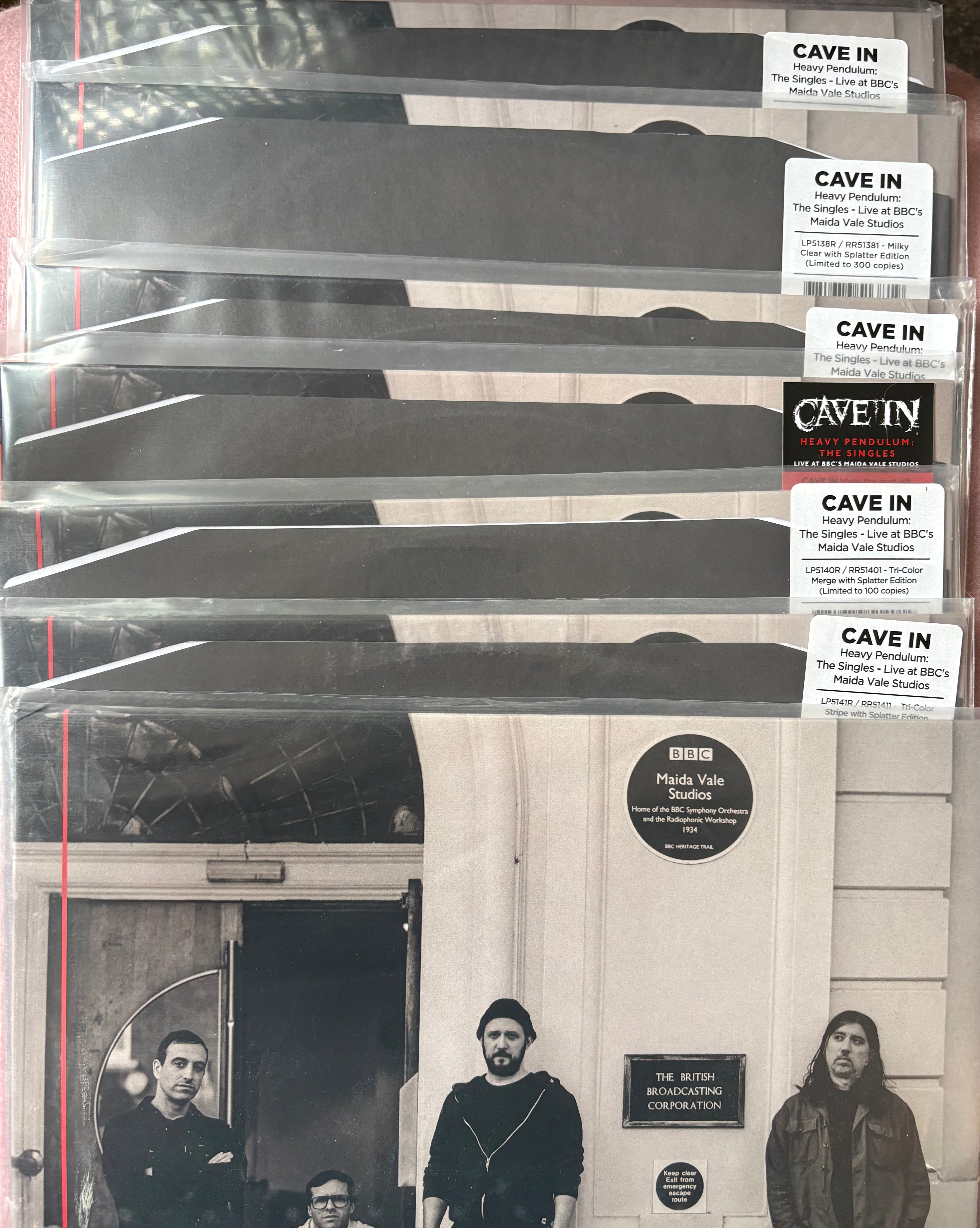
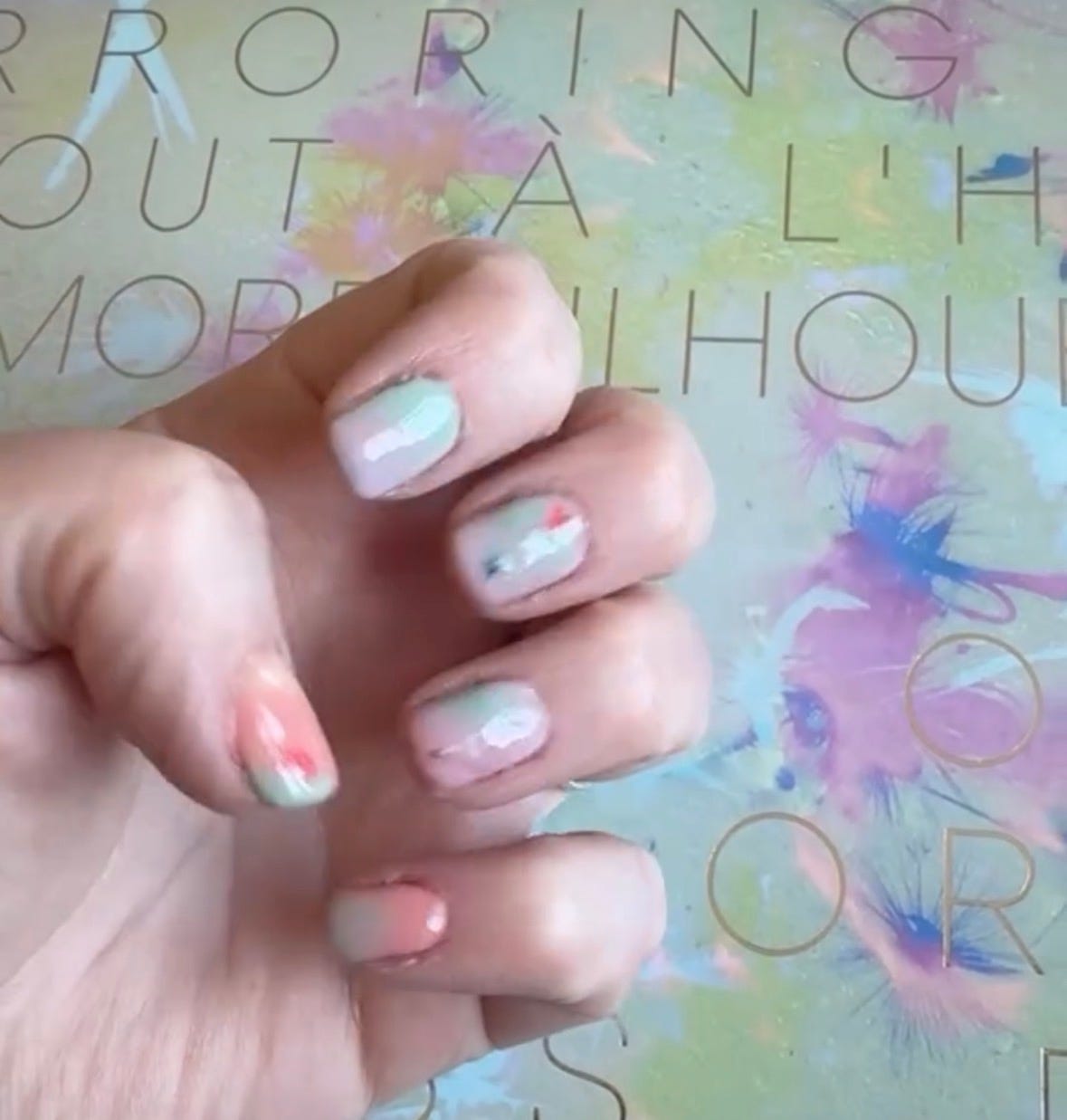
Anyway, with all this in mind, maybe this weekend is a good time to download your Bandcamp library, to back it up, and hells bells, maybe even listen to something you’ve long forgotten was there. In my household we are doing something similar currently: making an inventory of our entire vinyl collection. We’re only up to Full of Hell but it’s already been an enlightening experience. We listened to a Bibio record that my partner has and I had never heard. I then discovered what a Silver Wilkinson is (aside from the name of the record, it is also a salmon fishing fly), and painted my nails to match the beautiful album art. I have uncovered several copies of Electric Wizard’s Legalise Drugs and Murder, and so far neglected to include all seven variants of Cave In The Singles - Live at BBC’s Maida Vale Studios EP that are in my office (I’ll tell you about that another time). This endeavour feels like it builds a stronger connection to the things I already own and share my home with.
What does the future hold for our access to music? How will we be discovering, engaging and connecting to artists in five or ten years from now? It’s very possible that the options will look very similar to what we have currently, but regardless of Sony’s preference we do still have a say in it. We can exercise our ability to buy physical products, or if we are digital consumers opt - wherever possible - for whatever grants us greatest ownership of the thing we’re buying. I know there are some of you out there who absolutely disagree with this stance and view the alternative as freedom from the shackles of possessions. What do you think?
That’s all for this week, thank you for reading.
~Becky
Seven copies of the same Cave In record.
Bibio nails.
Couldn’t agree more about backing up digital music purchases. I have 2 portable hard-drives that I use for music.
Not using streaming apps like Spotify has also really helped with digging into parts of my music library that sometimes get neglected.